How dangerous is Reynisfjara?
A clear read on the real risk level, the warning-light flags, and where the danger actually sits on the beach.
 Written with Björn Einarsson, Iceland South Coast tour guide and local specialist
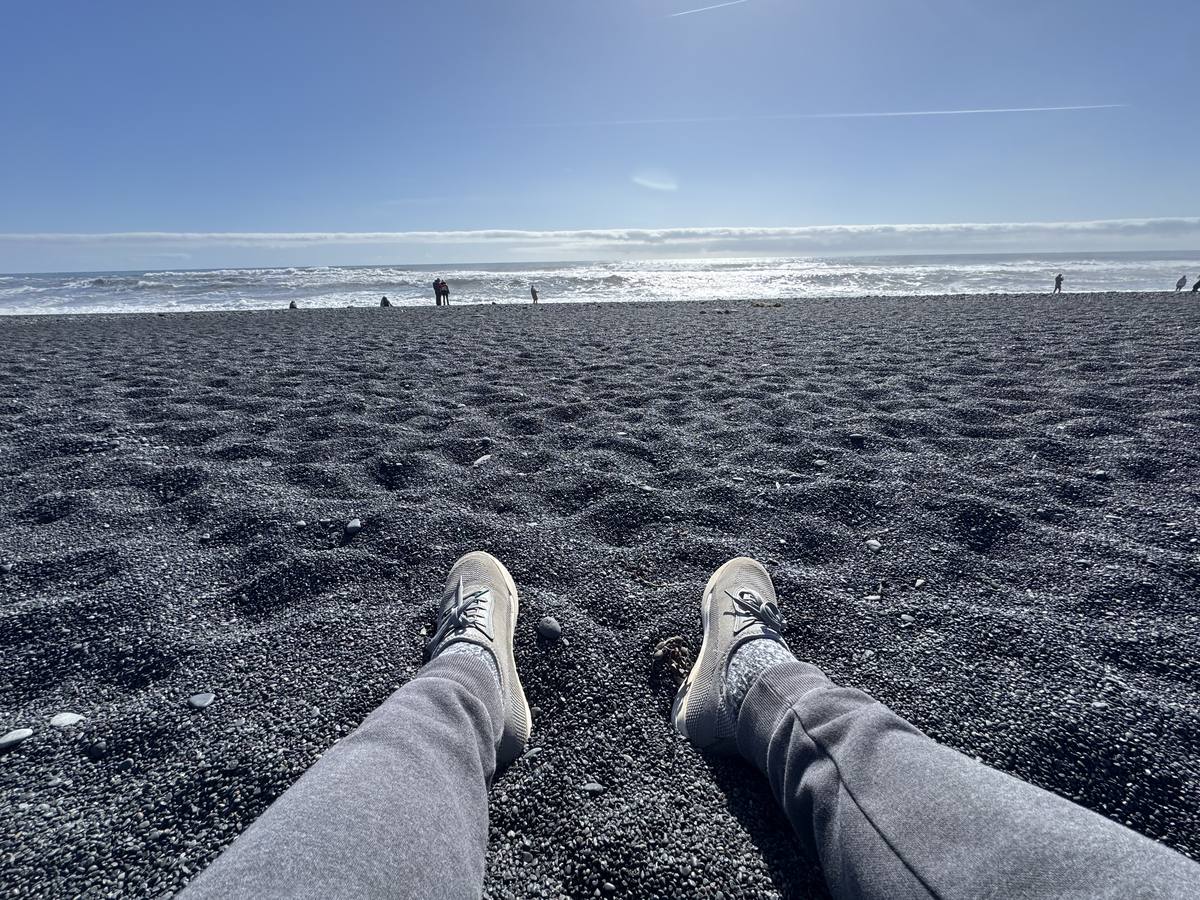
The short answer
Reynisfjara is genuinely dangerous near the water, mainly because of sneaker waves that surge far up the beach without warning. A warning-light system rates the daily wave risk from green to red, and the danger zone is the lower, wet part of the beach closest to the sea. It is perfectly safe to visit if you stay back on the dry sand, but the waterline itself has killed people. Watch the light, keep your distance, and never turn your back on the ocean.
The danger at Reynisfjara is real, but it is also specific and easy to avoid once you understand it. The risk is not spread evenly across the beach. It is concentrated in one strip near the water, and it rises and falls with the sea state each day. Iceland's authorities take it seriously enough to have installed a warning system, so the smart approach is to read that system and act on it.
The warning-light system
At the entrance to the beach there is a warning light that rates the day's wave danger by colour, the same way a traffic light works. It is driven by the forecast wave conditions, not the weather you can feel on your face, which matters because a calm-looking day can still carry a dangerous swell. Check it before you walk down to the sand, and treat a higher colour as a hard limit rather than a suggestion.
| Light colour | What it means | What to do |
|---|---|---|
| Green | Lower wave danger for the day | Still stay back from the waterline; conditions can shift |
| Yellow | Raised danger, caution needed | Keep well clear of the wet sand, watch the sea closely |
| Orange | High danger | Stay high on the dry beach, do not approach the surf |
| Red | Extreme danger | Do not go near the lower beach at all |
Even on green, the rules do not switch off. The colour tells you how loaded the dice are on a given day. It never makes the waterline safe.
Where the danger zone is
Picture the beach in two bands. The upper band, the dry black sand near the cliffs, columns and cave, is where you walk, photograph and stand. The lower band, the darker wet sand that the surf reaches, is the danger zone. Sneaker waves push far past the visible wave line into that lower band, which is exactly why people get caught: they judge safety by where the water is now, not where it can suddenly reach.
The single most important habit is to keep a wide margin above the wet sand and never step onto it for a photo. The [guided South Coast day trip that stops here](https://www.getyourguide.com/reykjavik-l30/southern-iceland-tour-t67018/?partner_id=MME1WGW&utm_medium=online_publisher) builds this briefing in, so you know where the line sits before your feet hit the sand.
Who is most at risk
Certain habits put people in harm's way more than others. People setting up a photo with their back to the sea top the list, because they cannot see the surge coming. Anyone chasing a receding wave for a better shot is next, since that is precisely when the next big set arrives. Children, older visitors and anyone unsteady on their feet are more vulnerable because loose sand and cold water make it hard to recover footing quickly.
None of this makes Reynisfjara a place to avoid. It makes it a place to respect. Families visit safely every day by staying high on the beach and keeping the sea in view.
What guides do
A good guide manages the risk so you do not have to calculate it yourself. They check the warning light and the forecast before the group leaves the coach, point out the safe standing area on arrival, and keep an eye on the sea while people take photos. If conditions are severe, they will hold the group back or keep the stop short. That local judgement is a large part of why going with a tour is the low-stress way to see the beach, especially in the unsettled weather that follows a Reynisfjara storm season.
Common questions
Is Reynisfjara safe to visit?
Yes, if you stay back from the water. The danger is concentrated in the wet lower part of the beach where sneaker waves reach. Keep to the dry sand near the cliffs, check the warning light, and never turn your back on the sea, and a visit is safe for most people including families.
What do the warning-light colours mean at Reynisfjara?
The light rates the day's wave danger like a traffic light: green is lower danger, yellow means raised caution, orange is high danger and red is extreme. Higher colours mean stay further from the water. Even on green you should keep well back from the waterline.
How far back should you stay from the water?
Stay above the wet, darker sand entirely, with a wide margin. Sneaker waves surge far past the current wave line, so a spot that looks dry and safe can be reached in seconds. When in doubt, stand further up the beach near the columns.
Is Reynisfjara more dangerous after the 2026 erosion?
The storms changed the sand's texture, not the sea. The wave danger is unchanged and the same rules apply. A coarser, more uneven beach can make footing trickier, which is one more reason to stay well back from the water.